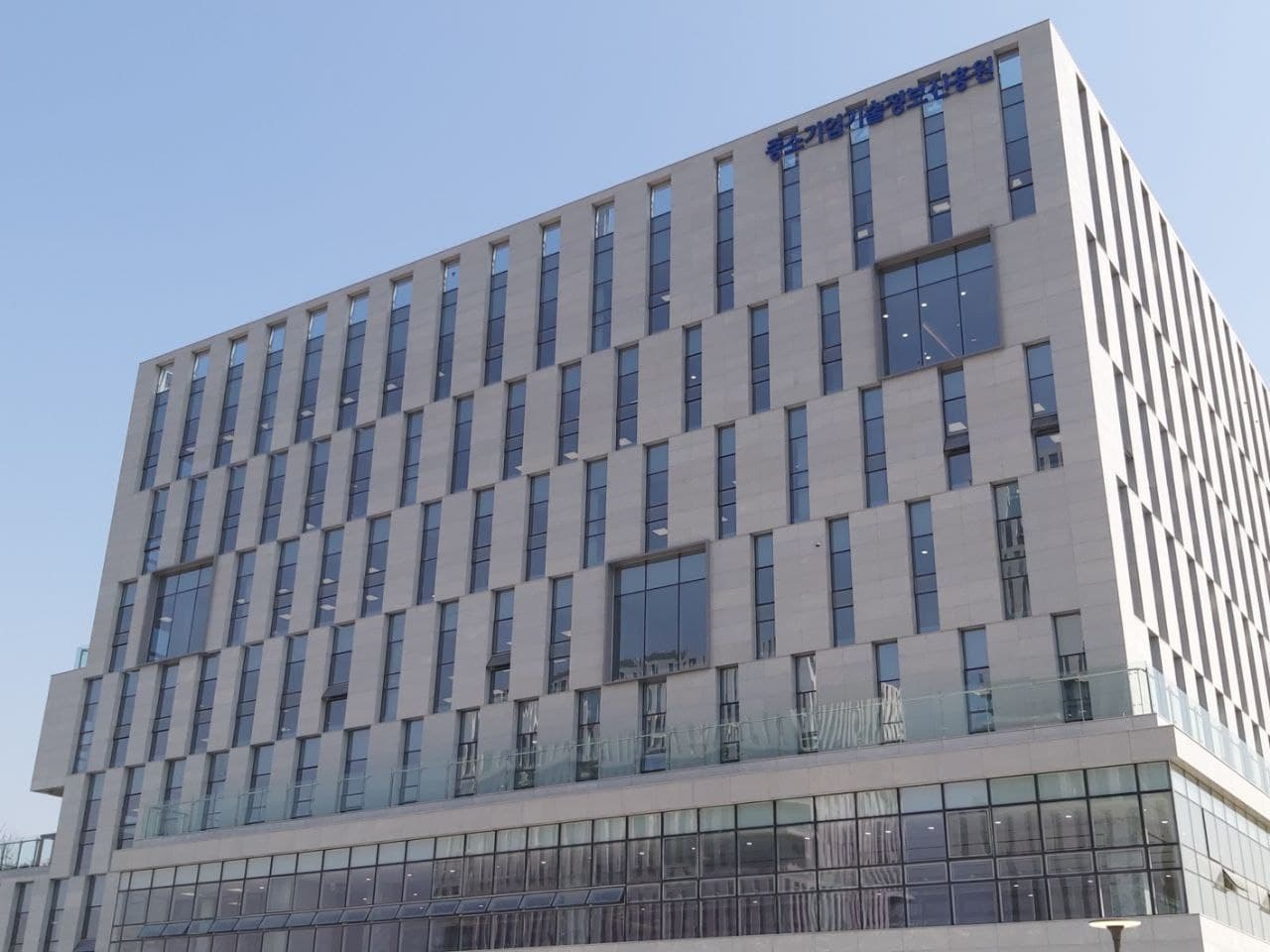
Only two of 33,256 research and development projects managed by the Korea Technology and Information Promotion Agency for SMEs were classified as security tasks, and both involved foreign researchers who had not undergone required security checks, according to data obtained by a lawmaker.
Rep. Choi Soo-jin of the opposition People Power Party obtained the data from the Ministry of SMEs and Startups and TIPA.
Security tasks are state-funded R&D projects subject to additional safeguards because disclosures could cause significant technological or economic losses or threaten national security. The National R&D Innovation Act allows government agencies to classify projects as security tasks on those grounds.
Its enforcement decree lists research involving national core technologies, including semiconductors, displays and rechargeable batteries, among the criteria for classification.
“It is highly unlikely that only two projects qualified as classified tasks,” an aide to Choi told The Korea Herald. “We have asked the ministry for a comprehensive review of all projects.”
Choi’s office said both classified projects had security lapses.
One involved next-generation lithium rechargeable batteries, a national core technology. A Pakistani postdoctoral researcher was added to the project without the required internal security review, ministry approval or notification to the National Intelligence Service, according to Choi’s office.
Ministry rules require the procedures for foreign researchers participating in security tasks.
But TIPA’s project management guidelines treat the replacement or addition of researchers during a project as a “minor change” that does not require the agency’s approval. Choi's office said the Pakistani researcher was added under that provision.
TIPA removed the researcher from the project on Sept. 21 after Choi’s office raised the issue.
The second project was initially submitted as a general project and did not undergo a security review during the selection process.
The participating company later changed its classification to a security task in the government’s Integrated R&D Information System during the agreement process. Two Ethiopian researchers were involved in the project.
TIPA told the National Assembly that it learned of the change only in late September. Choi’s office questioned that account, saying project agreements and subsequent changes require TIPA’s final approval.
TIPA later reported that the two researchers would be excluded from the project starting Oct. 1.
“TIPA’s conduct goes beyond a simple administrative error. Approving the change in security classification and then telling the National Assembly it was unaware constitutes a clear dereliction of duty and deception,” Choi said.
Choi called for a comprehensive review of general projects involving national core technologies and stronger penalties for security violations, including restrictions on future R&D participation and recovery of government funding.
shwang9@heraldcorp.com